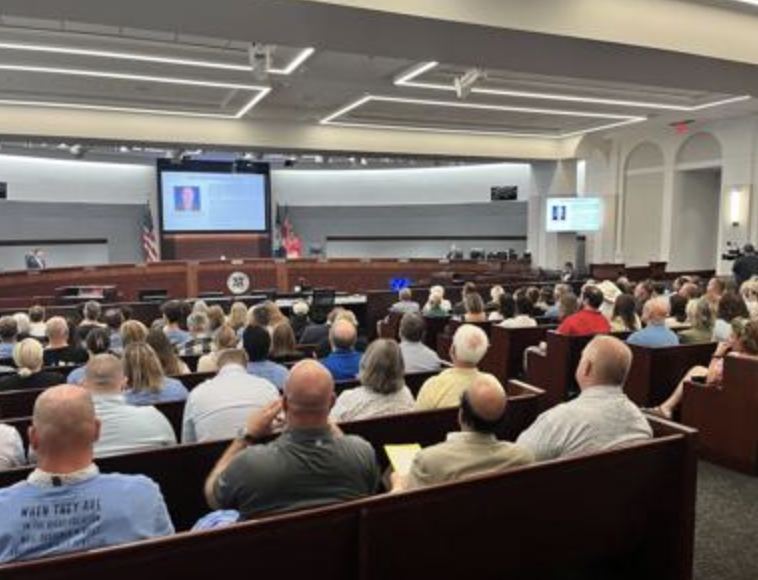
The Community-Compatible Data Center
Across the United States, data centers are becoming some of the most important—and most contested—infrastructure projects under development.
That tension is unfortunate because the basic premise should not be controversial.
The challenge is not whether communities need digital infrastructure.
The challenge is how that infrastructure enters the community.

Data Centers & National Security, Part V - Zero Trust for Infrastructure
For years, cybersecurity strategies were built around a simple idea: Protect the perimeter.
Organizations deployed firewalls, secured network boundaries, controlled access points, and focused on keeping bad actors outside the fence. If the perimeter held, the thinking went, the systems inside would remain secure. That approach made sense in a world where infrastructure was relatively self-contained.
But government data centers no longer operate in that world.

Data Centers & National Security, Part IV - Quantum is Coming
For years, quantum computing has existed in a strange category within technology conversations—simultaneously revolutionary and distant. A breakthrough always seemed to be somewhere over the horizon.
But within cybersecurity and national security circles, the tone has shifted dramatically. Quantum computing is no longer viewed as a theoretical curiosity. It is increasingly treated as an inevitable strategic event—one capable of reshaping how governments secure digital infrastructure, protect classified information, and defend long-lived data.
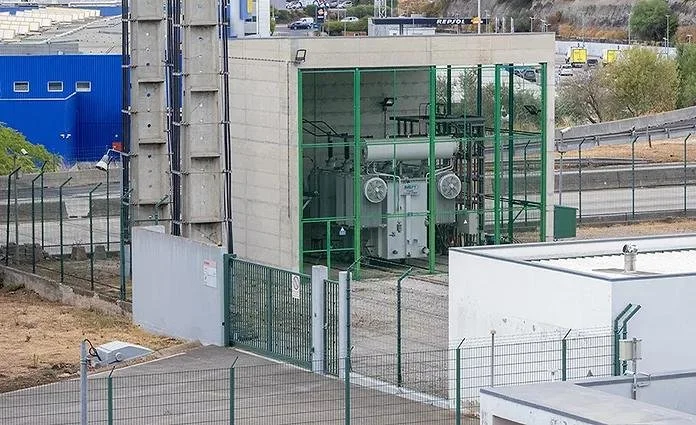
America’s New Critical Infrastructure, Part III - Grid Dependency
For decades, the data center industry viewed power primarily as a capacity question.
Do we have enough megawatts?
Can the utility deliver the load?
How quickly can new infrastructure be connected?
Those questions still matter, but they increasingly miss a much larger issue.
The problem is no longer simply power availability.
It is dependency.
Protecting America’s New Critical Infrastructure, Part II - The New Battlespace
For generations, warfare was defined by geography. Nations fought to control territory, ports, shipping lanes, rail corridors, energy reserves, and industrial capacity. Strategic infrastructure was tangible and visible—bridges, factories, pipelines, electrical grids.
In the AI era, however, a new strategic landscape is emerging.
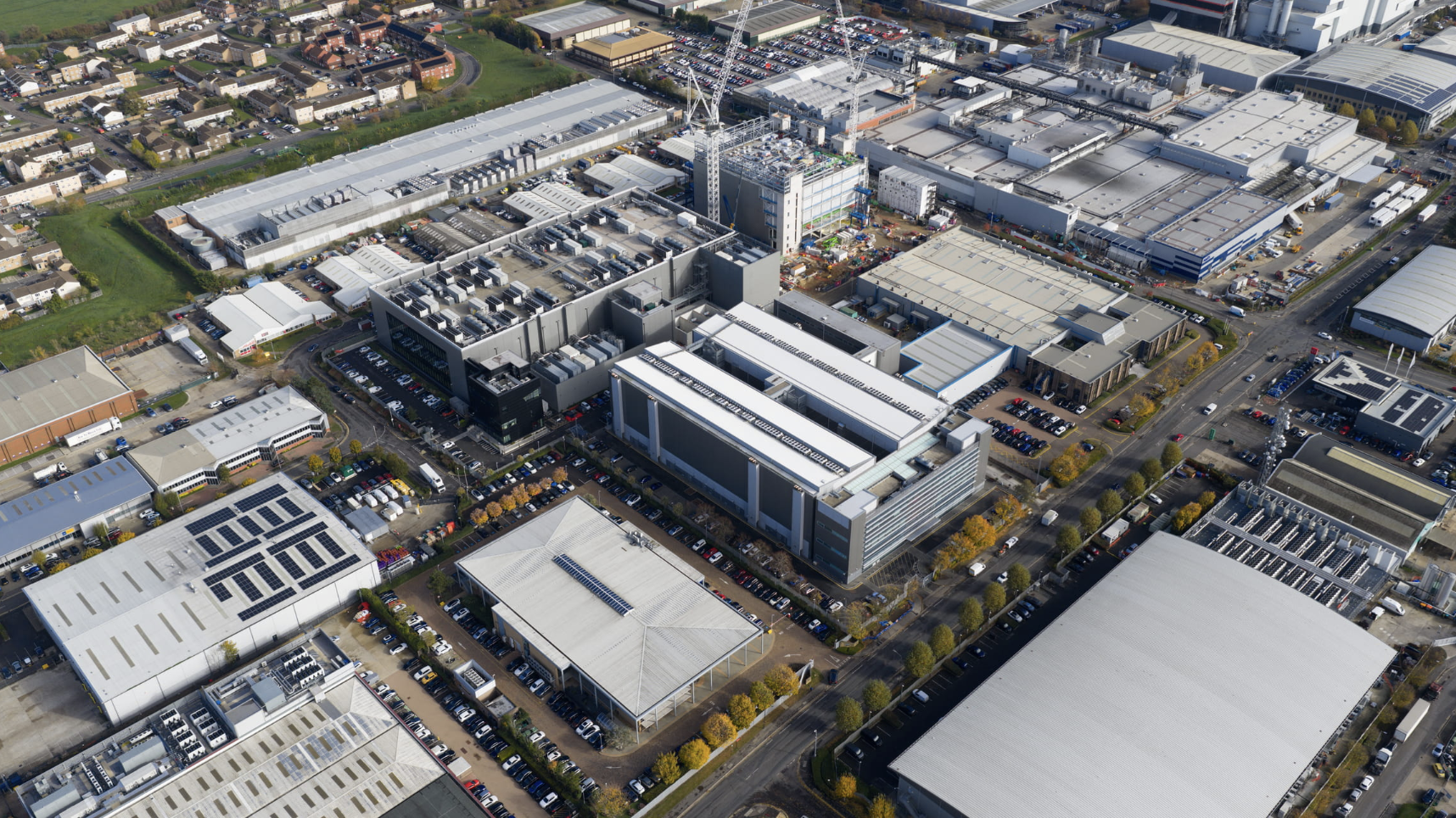
Why Data Centers Belong on America’s Critical Infrastructure List
For decades, America’s definition of critical infrastructure has been shaped by the systems that keep the nation functioning—power grids, water systems, telecommunications networks, transportation corridors, hospitals, financial systems, and defense industrial capacity. These sectors form the backbone of modern society, and rightly receive heightened protection, policy attention, and strategic planning because disruption to any one of them can ripple across the entire country.
What Is a Resilient Data Center?
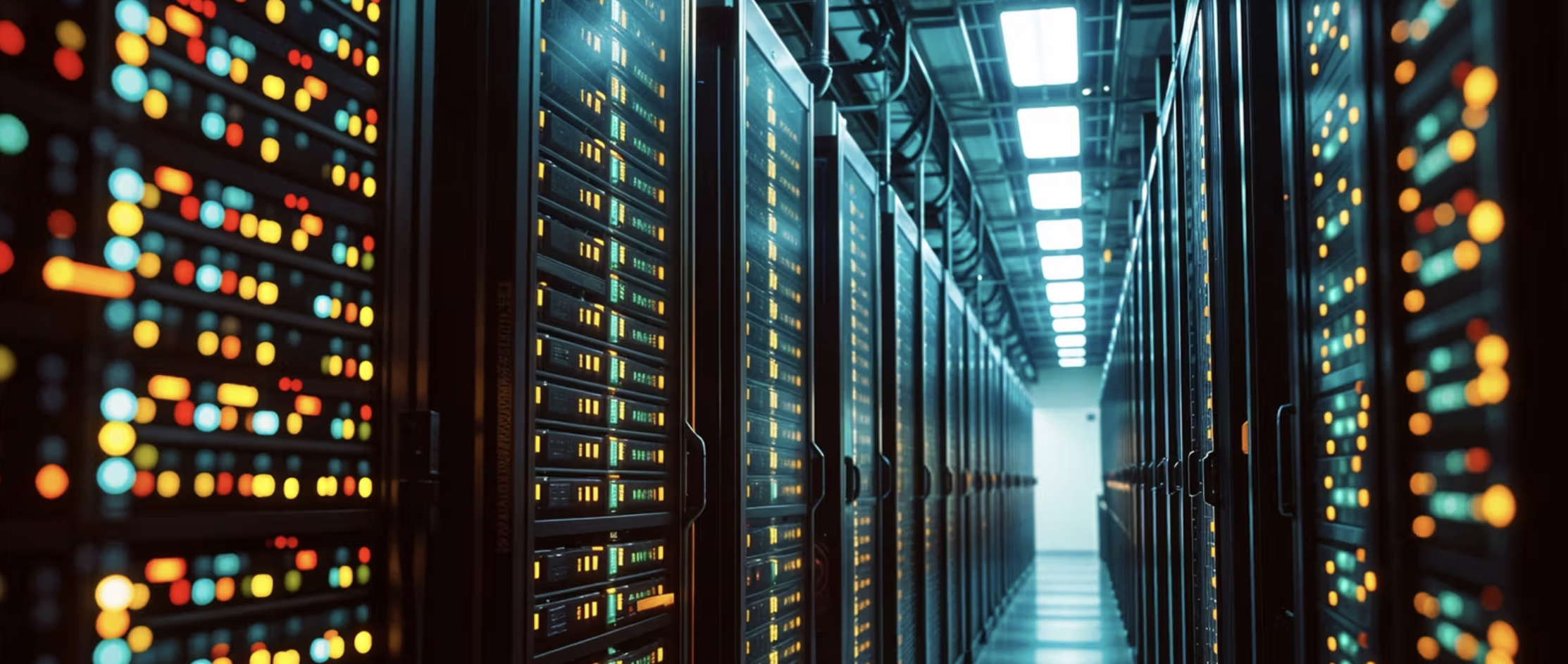
The word resilience is quickly becoming one of the most important—and most misunderstood—concepts in infrastructure.
Ask ten people what makes a data center resilient and you will likely hear ten different answers. Some will point to backup generators and redundant cooling systems. Others will emphasize cybersecurity, disaster recovery, or cloud failover. Increasingly, conversations now include AI, automation, and power strategy.
All of those elements matter.
Who Controls Data Center Power?
Understanding the Invisible System Behind Government Infrastructure
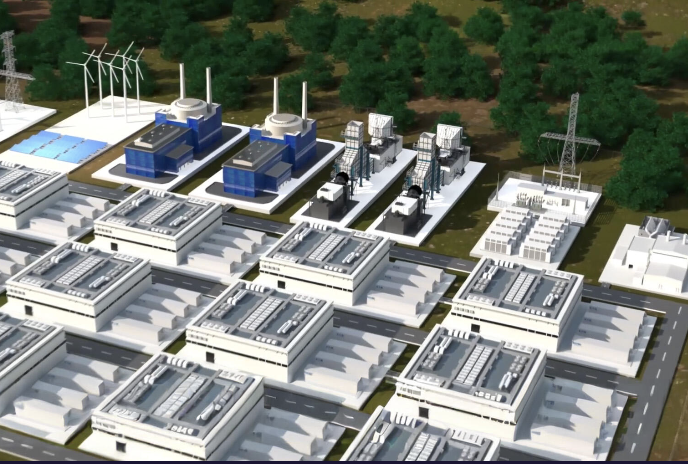
As demand for data centers accelerates—driven by AI, cloud expansion, and government modernization—one constraint is rising above all others:
Power.
Not just how much is needed, but who controls it, how it is allocated, and how quickly it can be delivered.
The Resilient Data Center: Why Network Automation Is Becoming Mission-Critical
In conversations about resilient data centers, the spotlight tends to fall on the physical world—power redundancy, cooling systems, hardened facilities, geographic diversity. These are the visible elements of resilience, the ones you can walk through and inspect.
But increasingly, resilience is being defined elsewhere.
It is being defined in milliseconds, inside the network.
Data Centers as Strategic Targets: National Security in the Age of AI Infrastructure
For most of modern history, warfare has centered on physical terrain—land, sea lanes, airspace, and the infrastructure that supports them. But in the age of artificial intelligence, a new kind of terrain is emerging. It is quieter, less visible, and increasingly decisive:
Data centers.